
Terraforming the Sahara Isn’t Sci‑Fi — It’s an Infrastructure Program
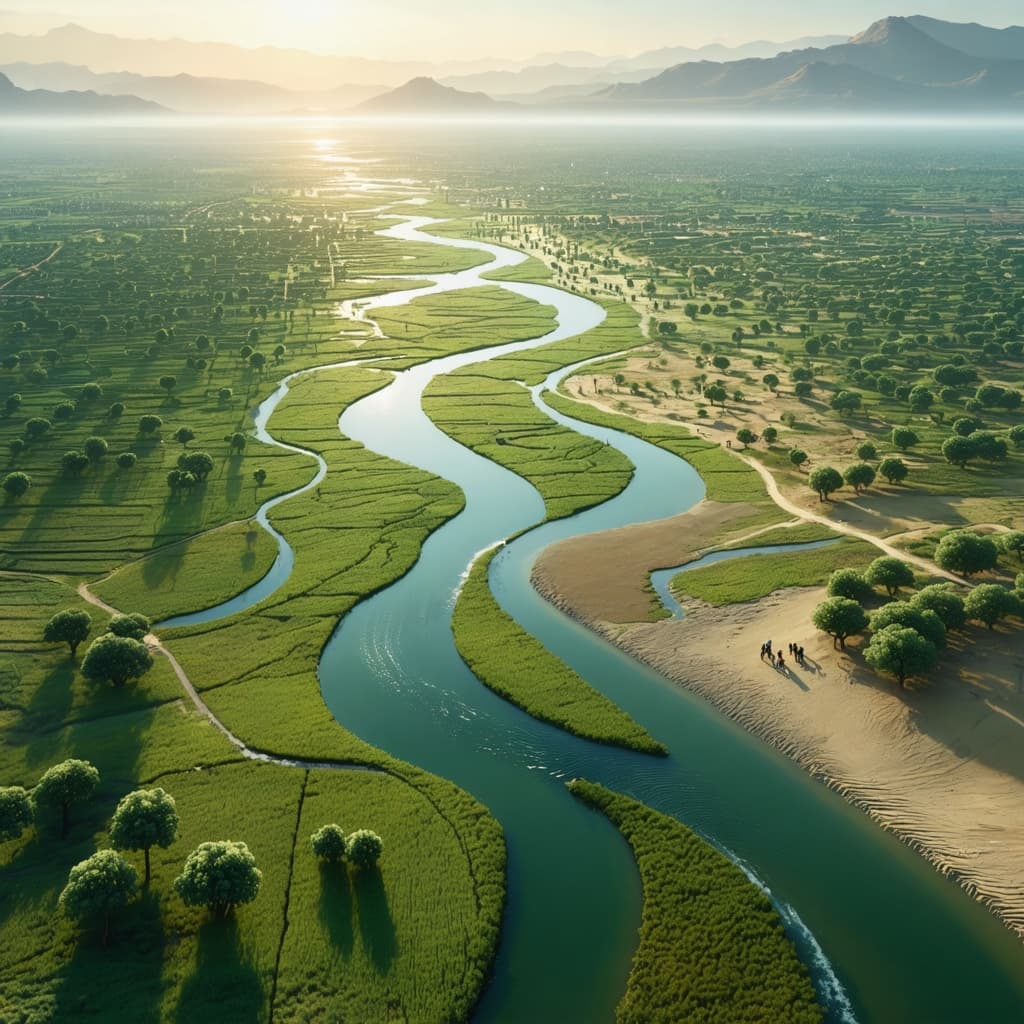
Terraforming the Sahara Isn’t Sci‑Fi — It’s an Infrastructure Program
TL;DR
- “Terraforming the Sahara” is less about miracles and more about water, energy, soil, and governance.
- The Great Green Wall is the most real-world proof-of-work: a multi-country belt of restoration and livelihoods.
- The bottleneck isn’t a single technology—it’s systems integration (finance, maintenance, security, incentives).
- If you want durable change, build corridors (logistics + water + power + vegetation) and scale what survives.
Why this idea keeps coming back
When people talk about greening the Sahara, they usually picture a single silver bullet: giant desalination plants, cloud seeding, or a mega-dam.
But deserts don’t become landscapes again through one lever. They change through stacked infrastructure that compounds over decades:
- Water availability (capture, storage, delivery)
- Energy to move and treat that water
- Soil recovery and ecology to retain moisture
- Incentives and governance to keep projects alive
The Great Green Wall: the real starting point
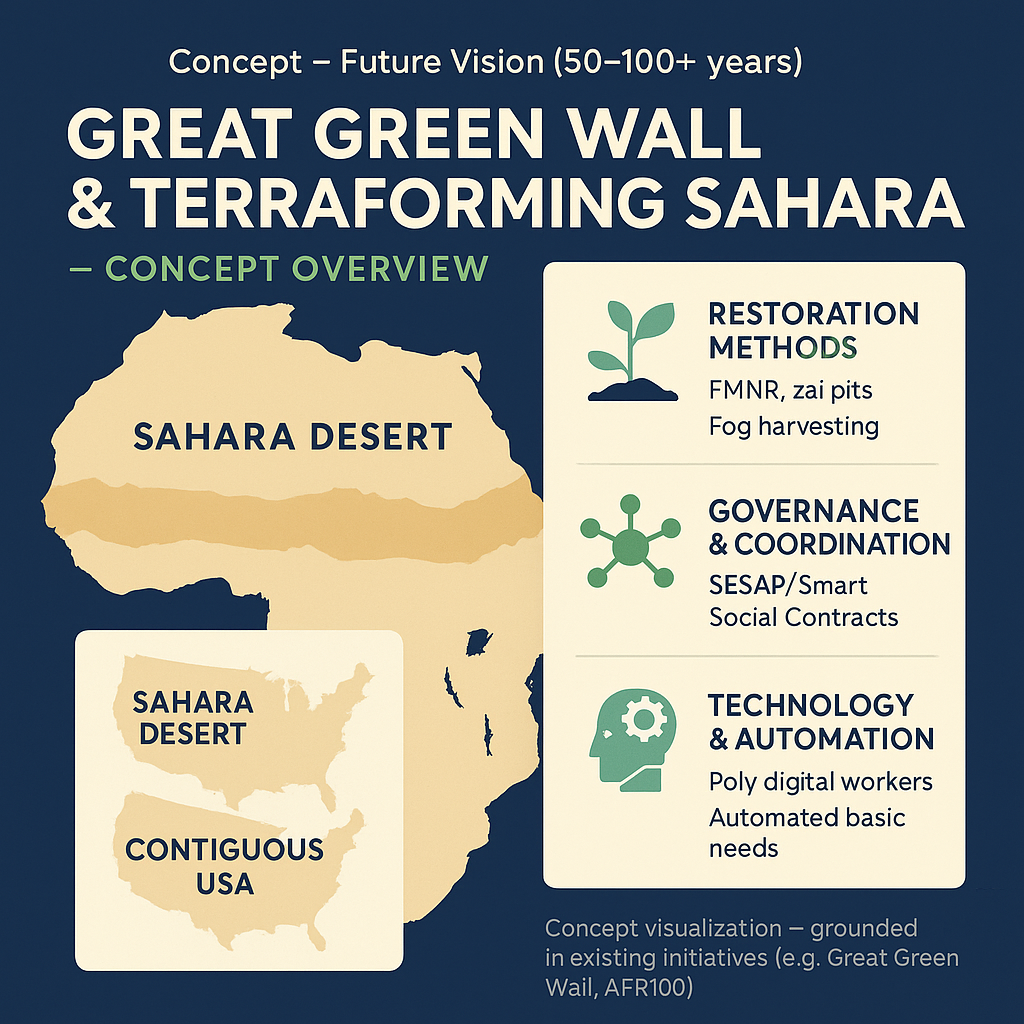
The Great Green Wall (GGW) isn’t one continuous wall of trees. It’s a framework for restoring degraded land across the Sahel via many local projects: agroforestry, soil restoration, windbreaks, water harvesting, and livelihoods.
It matters because it shows the correct scale of thinking:
- Multi-country coordination
- Long timelines
- Local ownership
- Iteration (some interventions fail; the good ones replicate)
What “terraforming” actually means in practice
1) Water: capture, store, and move it
Any serious re-greening plan begins with water strategy:
- Coastal desalination (where geography allows) + pipelines or powered pumping
- Groundwater governance (avoid extraction collapse)
- Rainwater harvesting and micro-catchments
- Managed aquifer recharge where feasible
2) Energy: the hidden constraint
Moving and treating water is energy-intensive.
That’s why the Sahara is paradoxical: it’s water-poor but energy-rich.
- Solar + storage can power pumping and treatment
- Transmission and maintenance become critical (dust, heat, security)
3) Soil: you can’t plant into dust and expect forests
You don’t “tree” your way out of desertification.
You rebuild soil systems:
- Windbreaks and shelterbelts
- Mulching, composting, and biochar where appropriate
- Drought-resilient species and polycultures
- Grazing management (overgrazing destroys recovery)
4) Governance: the long-run determinant
The reason these projects fail is rarely “we lacked seedlings.”
They fail because:
- Incentives reward short-term extraction
- Maintenance isn’t funded
- Land tenure is unclear
- Projects aren’t locally owned
A corridor strategy (what scales)
Instead of trying to green an entire desert uniformly, build corridors:
- A water and power spine (pipelines, pumping, solar fields)
- Nodes of agriculture and settlement where logistics is viable
- Vegetation belts that reduce wind, retain moisture, and protect soil
- Replication of what survives (not what looks good in a proposal)
Image pack (embedded)
Hero / concept
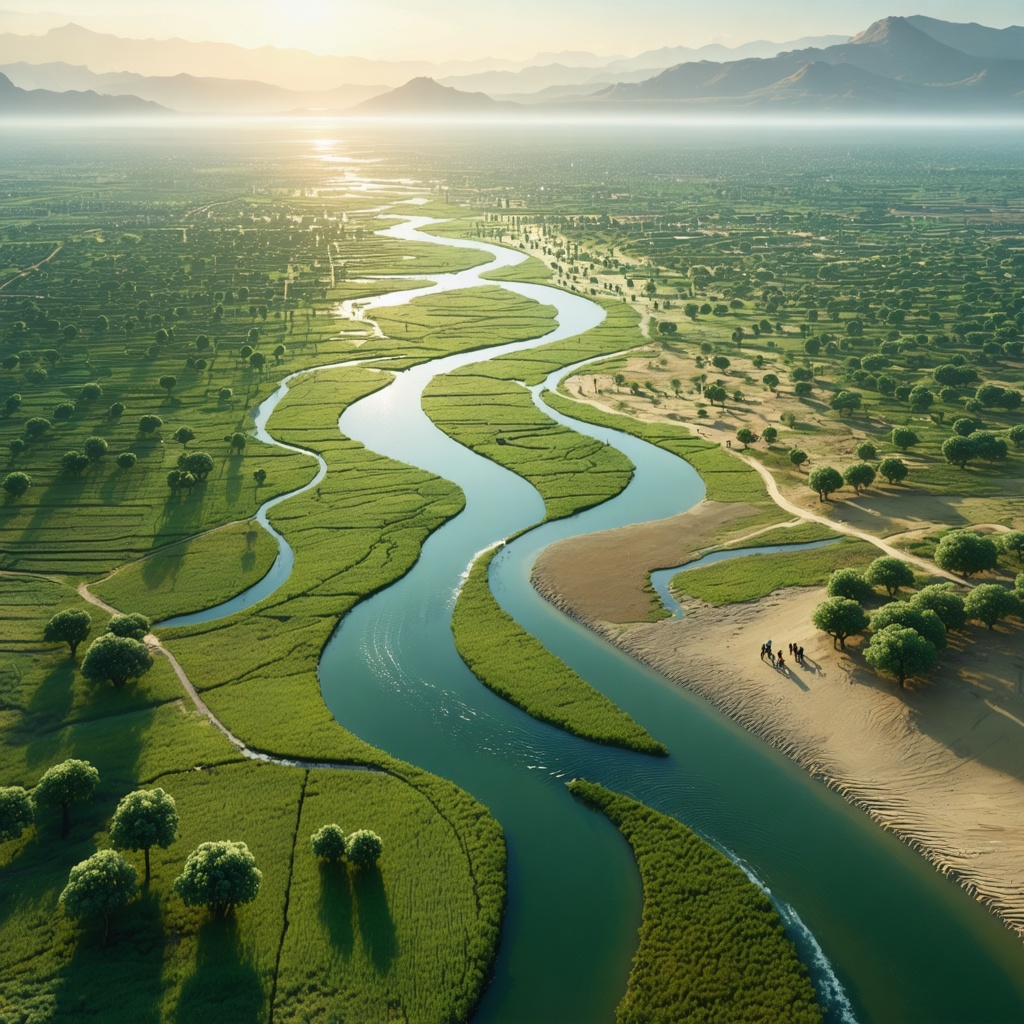
Great Green Wall / map-style visual
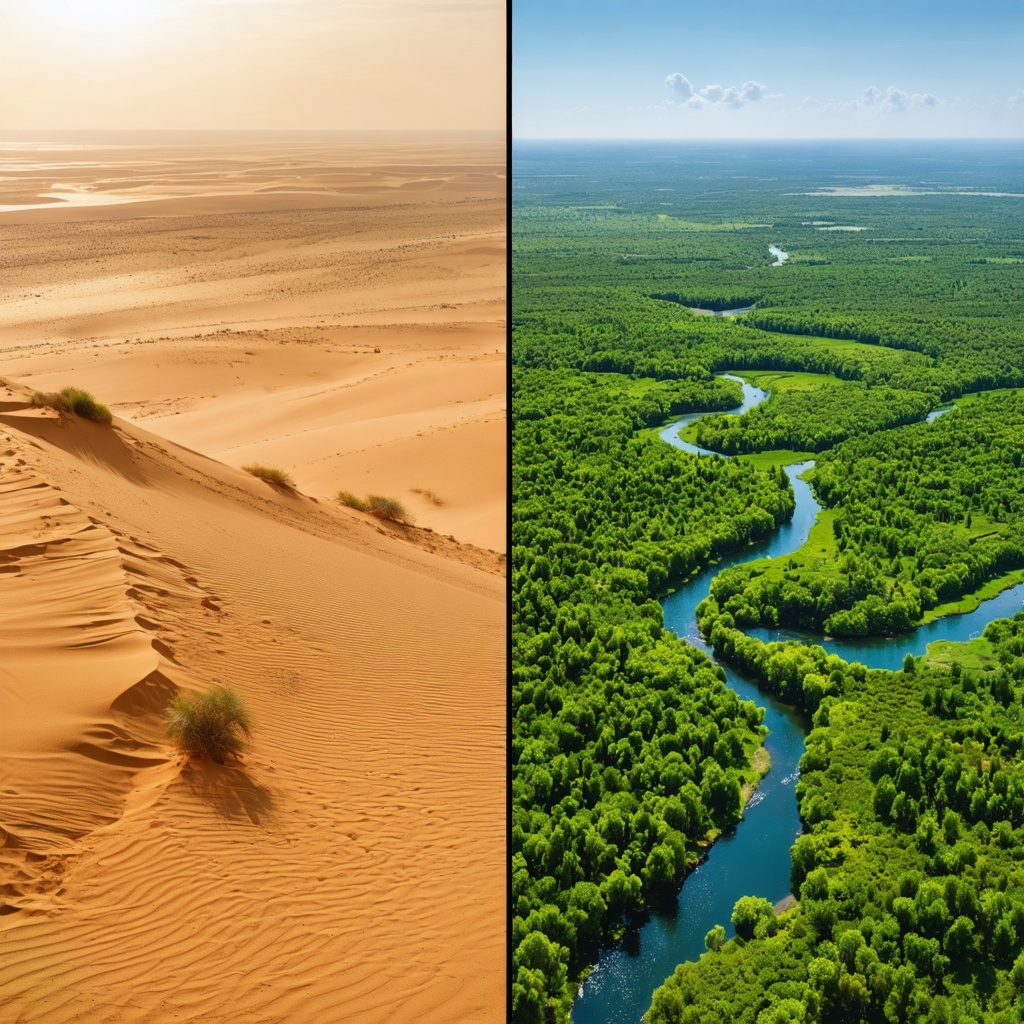
Before/after transformation
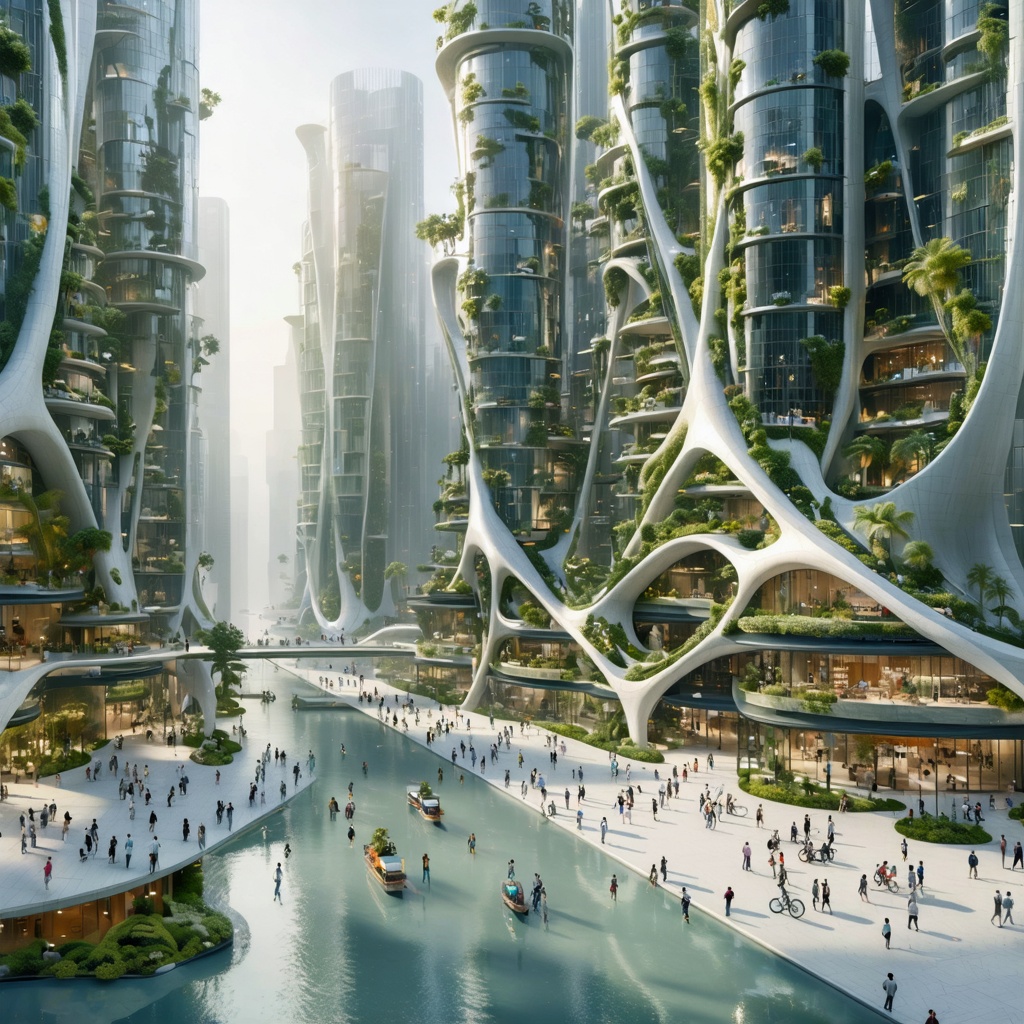
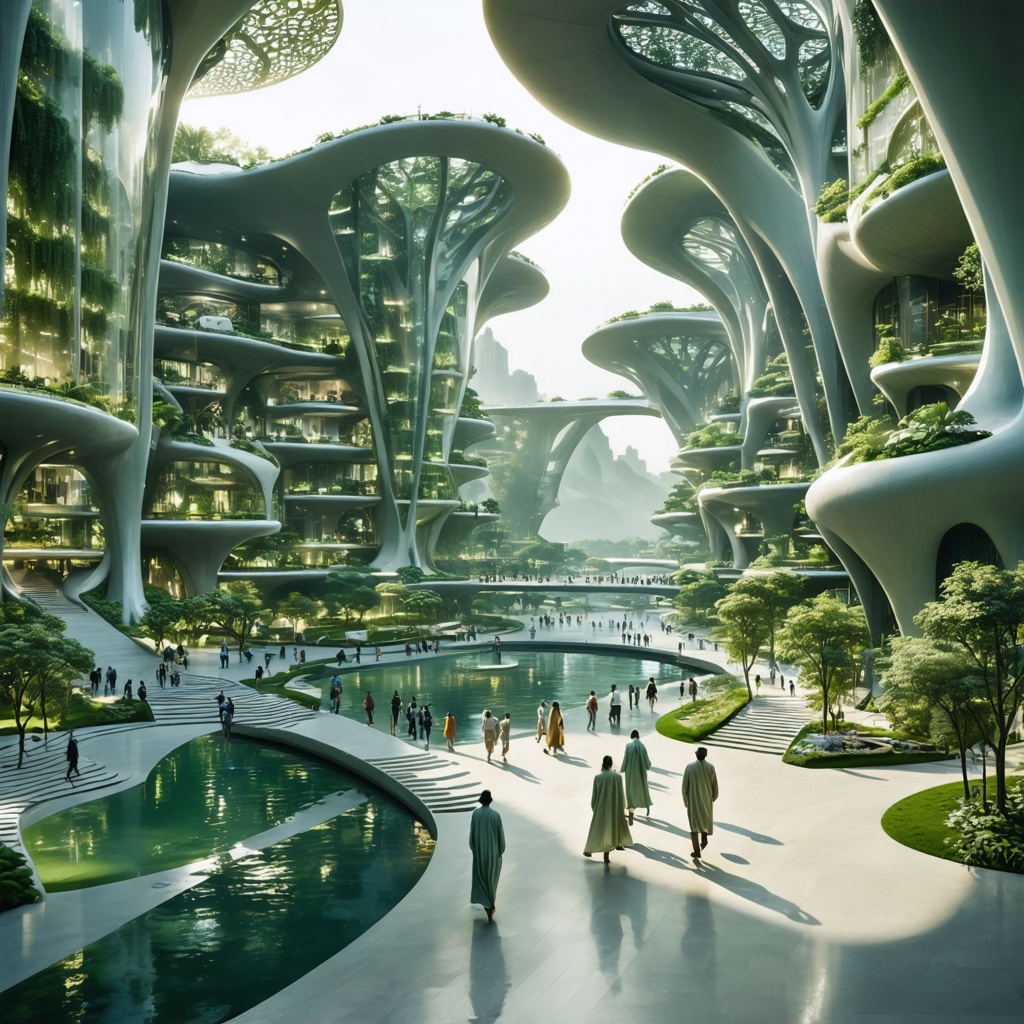
Supporting urban / ground-level shots
Sources
- Great Green Wall (initiative overview): https://www.greatgreenwall.org/
- UNCCD (land restoration and desertification context): https://www.unccd.int/
- FAO (drylands and restoration resources): https://www.fao.org/
Call to Action
If you want to build systems that research, plan, and execute—end to end:
- Explore Poly: https://www.poly186.com
- Book a demo: https://www.poly186.com/demo
- Documentation: https://docs.poly186.com